
No Gym? No Problem: Transform Your Body with Home Workouts
6/25/20255 min read
The Power of Home Workouts: Success Stories
In recent years, numerous individuals have turned to home workouts to achieve their fitness goals, demonstrating that gym memberships are not a prerequisite for physical transformation. Success stories abound, showcasing the power of determination and the effectiveness of well-structured home workout routines. One such inspiring case is that of Sarah, a busy working mother who struggled with her weight for years. Faced with limited time and resources, Sarah decided to embrace the world of home fitness. She initially encountered challenges such as lack of motivation and uncertainty about where to start. However, with the help of online fitness communities, she developed a comprehensive home workout schedule incorporating bodyweight exercises and HIIT routines.
Alongside her exercise program, Sarah made significant dietary changes, focusing on whole foods and balanced nutrition. The combination of regular home workouts and mindful eating led to a remarkable transformation, with Sarah shedding over 40 pounds within six months. More importantly, her newfound energy levels and improved mental state have had a profoundly positive impact on her overall well-being.
Another remarkable transformation is that of James, who adopted home workouts after a knee injury made traditional gym exercises difficult. Initially hesitant, James began using resistance bands and low-impact exercises to work around his limitations. Through diligent efforts, he gradually transitioned to advanced workout routines, including circuit training and shadow boxing. Alongside his fitness journey, James revised his eating habits, focusing on protein-rich foods to build muscle mass and aiding recovery.
Both Sarah and James exemplify the remarkable results achievable through home workouts. Their stories underline the importance of dedication and adaptability, showcasing that anyone can achieve their fitness goals in the comfort of their own home. The journey towards a fitter lifestyle is not confined to a gym environment but can thrive in personal spaces, inspiring others to embark on their transformations as well.
Getting Fit at Home: Strategies for Success
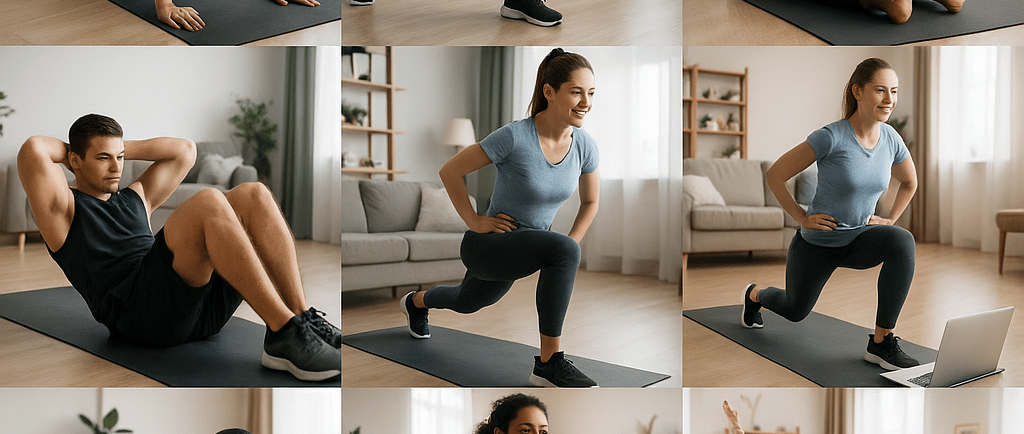
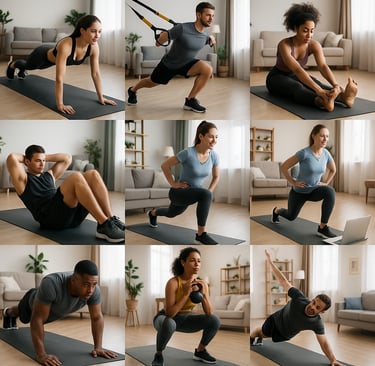
Adopting an effective home workout routine can help maintain fitness levels without the need for a gym. One viable strategy is to design a workout plan that incorporates bodyweight exercises, which require no equipment and can be performed in the comfort of your living space. Exercises such as push-ups, squats, lunges, and planks can be easily adapted to different fitness levels, making them accessible for beginners and seasoned athletes alike. For those seeking variety, incorporating household items like resistance bands, dumbbells, or even water bottles can enhance strength training sessions.
Creating a dedicated workout space at home is another essential aspect of implementing a successful fitness routine. This space should be free from distractions and equipped with the necessary tools for an effective workout. It can be as simple as a corner in your living room or a specific room designated for exercising. Ensuring that this area is well-organized and inviting can help cultivate a sense of commitment, increasing the likelihood of regular workouts and minimizing barriers such as clutter or a lack of motivation.
Setting realistic and achievable fitness goals is crucial for maintaining focus and tracking progress over time. Goals should be specific, measurable, attainable, relevant, and time-bound (SMART). For example, instead of aiming to "get fit," a more precise goal could be to perform 20 consecutive push-ups within a month. Regularly reviewing and adjusting these objectives will foster a sense of accomplishment and keep individuals engaged in their fitness journey.
Finally, consistency and accountability play significant roles in the success of home workouts. Establishing a workout schedule can help form a dependable routine, while sharing progress with friends or joining online fitness communities can provide necessary support and encouragement. By focusing on these strategies, it is possible to achieve remarkable results and stay motivated while working out at home.
The Psychology Behind Home Fitness
Engaging in home fitness can be both rewarding and challenging, as various psychological factors come into play. One of the foremost mental barriers individuals encounter while exercising at home is self-discipline. Unlike a gym environment, where the presence of trainers and peers fosters accountability, home workouts often lack external motivation. This absence can lead to procrastination and a sense of lethargy. To counteract this challenge, developing a structured routine that incorporates specific workout times can create a sense of commitment akin to attending a gym class.
Additionally, fostering a positive mindset is crucial for successful home workouts. Negative thoughts surrounding self-image or perceived ability can discourage individuals from participating in physical activity. Emphasizing personal progress, no matter how small, can shift this narrative. Setting achievable goals and celebrating milestones can enhance self-efficacy, encouraging consistency and persistence in one's fitness journey.
Cultivating a supportive environment is another strategy to bolster motivation. This can be achieved by designing a dedicated workout space that minimizes distractions and reinforces a fitness mentality. Inviting family members to join in can also foster camaraderie and mutual encouragement, transforming exercise into a shared experience. Moreover, utilizing online platforms for virtual classes or workout groups can replicate the social aspects typically found in traditional gyms, further enhancing motivation through community support.
Furthermore, leveraging home workouts for emotional well-being and stress relief cannot be overstated. Physical activity triggers the release of endorphins, commonly referred to as “feel-good” hormones, which can improve mood and alleviate anxiety. Incorporating mindfulness practices, such as yoga or meditation into home fitness routines, can deepen these mental health benefits, providing a holistic approach to well-being. By addressing these psychological aspects, individuals can more readily embrace home fitness as a valuable tool for both physical health and emotional resilience.
*IF YOU WANT FOLLOW ALONG FREE WORKOUTS AT HOME PRESS 👉 HERE 👈
Getting Started: Essential Tips for Home Workouts
Embarking on a home workout journey can be both exciting and daunting. To make the most of this experience, it is essential to start with a well-structured approach that ensures safety, effectiveness, and enjoyment. Firstly, identifying your fitness goals will help you choose the right workouts for your current fitness level. Whether your aim is to build strength, improve endurance, or enhance flexibility, understanding your targets is crucial for selecting appropriate exercises.
Next, consider establishing a balanced workout routine that incorporates strength training, cardio, and flexibility exercises. A well-rounded regimen not only promotes overall fitness but also helps in preventing injuries by ensuring all muscle groups are engaged. Strength exercises can be accomplished using body weight or resistance bands, while cardio workouts may consist of activities like jumping jacks, running in place, or skipping rope. For flexibility, dedicating time to stretches and yoga poses is beneficial.
*IF YOU WANT FOLLOW ALONG FREE WORKOUTS AT HOME PRESS 👉 HERE 👈
Utilizing online resources can add variety and structure to your workouts. Numerous platforms offer guided workout videos, ranging from beginner to advanced levels, which can enhance your knowledge and skills. These resources can provide everything from full-body routines to targeted workouts, keeping your regimen fresh and engaging. Furthermore, many apps offer workout challenges and community features, which can foster a supportive environment for your fitness journey.
Progress tracking is vital to maintaining motivation. By recording your workouts and noting improvements, you can celebrate small victories along the way. This positive reinforcement will foster a sense of accomplishment, helping you stay committed to your long-term fitness goals. Remember that consistency is key—start slowly, listen to your body, and gradually increase the intensity of your home workouts for sustainable progress.